The History Department at Michigan State University welcomes Dr. Nicholas Nyachega as an assistant professor of African history, specializing in borders, borderlands, and everyday mobility.
Dr. Nyachega comes to the department from The Ohio State University’s Mershon Center for International Security Studies, where he served as a postdoctoral scholar examining African borders and borderlands, mobility, rural livelihoods, resource politics, and everyday approaches to security and peacebuilding. Prior to that, he earned his Ph.D. in History, with a minor in Development Studies and Social Change, from the University of Minnesota, Twin Cities.
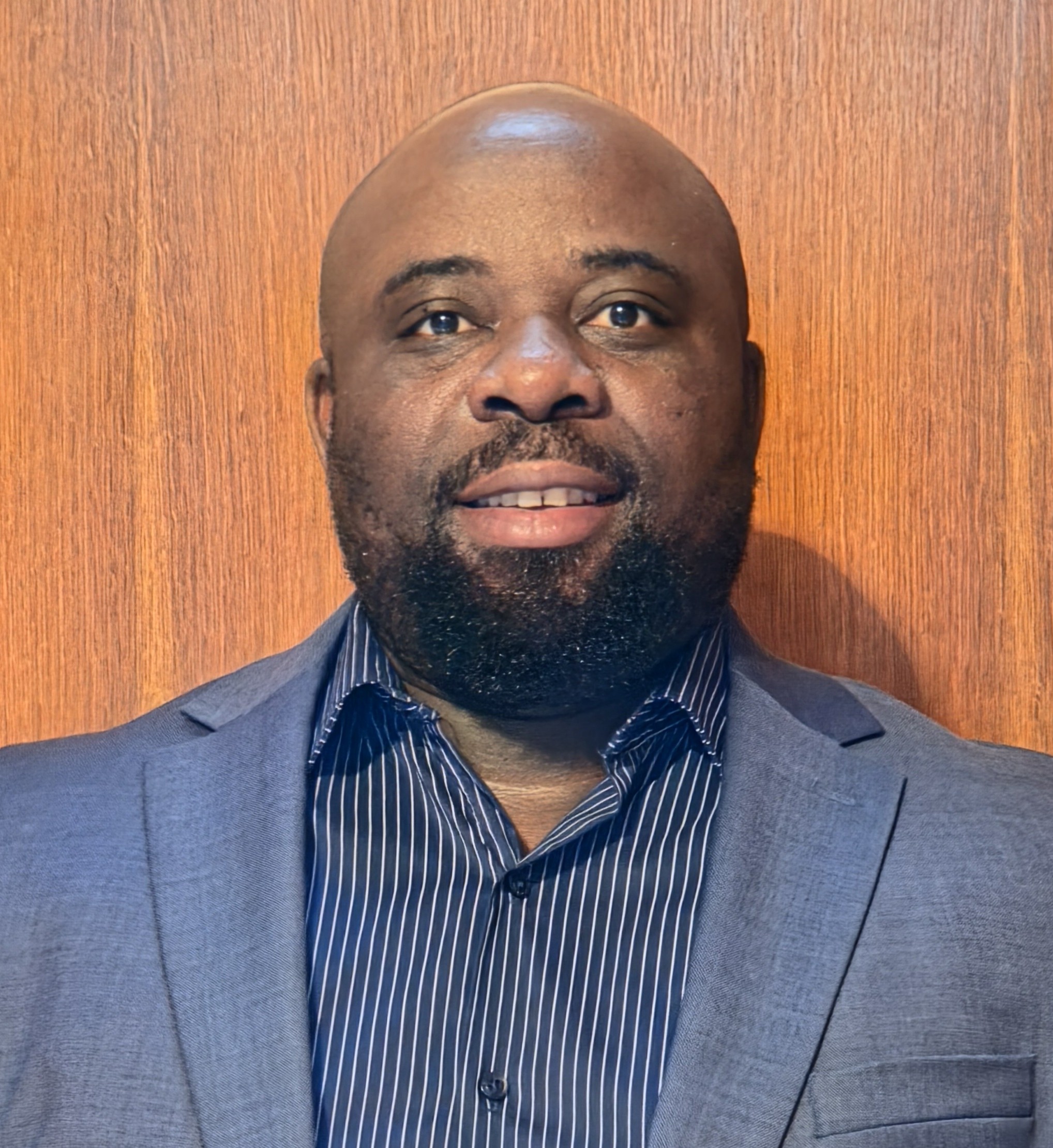
Before moving to the United States, he taught history in both secondary school and university settings in Zimbabwe while pursuing graduate studies. He holds an M.A. in History from Rhodes University in South Africa and a B.A. Honors in History from the University of Zimbabwe.
What drew you to your area of historical research?
My kinship histories and lived experiences inspired the questions at the center of my research, which primarily focuses on the lived experiences of borderlanders and other “people on the move.”
I was born and raised in Honde Valley, in a small village located about six miles from the Zimbabwe-Mozambique border. Growing up, I had friends and relatives who lived on the Mozambican side of the border, and often crossed the border to visit relatives, or play with friends. Those years, my friends and I did not think much about the border. It was simply a river, and it rarely prevented us from moving, except during the rainy season. This river was central to our rural life. We learned to fish and swim there. We didn’t need passports to cross it. Sometimes, the river itself was our destination, a place where we went to fish, swim and spend time together with friends. We were not stopped by state officials; there were simply no border guards to worry about. These movements were our nzira dzeupenyu (ways of life).
These experiences shape how I study borders, borderlands, and everyday mobility. Rather than treating borderlands as simply spaces of restriction and separation, I conceptualize them as connective spaces, centerlands, and mobilityscapes characterized by contradictions, contestations, and everyday opportunities.
What new questions are you currently exploring?
My current monograph project, Beyond Borders, adopts a “history from below” approach to examine questions concerning the lived experiences of borderlanders and other “people on the move” in Southern Africa. One central question I explore is: If states and state officials view borders and checkpoints as “nets of discipline,” how do borderlanders find and manipulate the holes in the nets? The book shows how everyday mobilities, Indigenous conceptions of authority, shifting identities, kinship networks, and daily needs such as access to fields, shrines and trading centers, required and enabled borderlanders to cross borders frequently despite state restrictions.
What’s one historical misconception you often find yourself correcting?
In this monograph, I challenge narrow, state-centric understandings of borders and borderlands. I show how borderlanders navigated and reshaped borders and border spaces through mobility, Indigenous spatial practices, kinship networks, trade, and everyday social worlds. I argue that borderlands are not simply peripheral spaces. They are centerlands and dynamic mobilityscapes where people forge and maintain connections, negotiate authority, challenge state power, and create everyday opportunities beyond the effective gaze of state officials.
I also challenge knowledge production procedures that privilege colonial and Eurocentric methodologies and conceptual approaches to history, borders, mobility, and territorial control. Instead, I center methodologies “from below,” including deep ethnographic methods such as border crossings, cross-border oral histories conducted in vernacular languages (mitauro), local epistemologies (ruzivo), lived experiences, and kinship histories.
What courses are you teaching at MSU?
This semester, I am teaching HST 208: African History, Society and Culture. This is my first course here at MSU, and I am having a wonderful time. My students are thoughtful, respectful, and highly engaged, which makes teaching the course especially rewarding.
In the spring, I will teach two courses: HST 364: Southern Africa, and HST 487: Seminar in Comparative History, with a focus on global borders and migrations.
Are you developing any new courses?
Yes. I am also developing potential new courses on global borders and migrations, and African liberation movements.
What excites you most about joining the MSU community?
Whenever I tell people that I have joined MSU, the response is usually an enthusiastic “Wow.” I am excited to be at MSU not only because it is a leading university in African Studies, but also because I am impressed by the integration of research, teaching, and outreach here.
I am particularly enthusiastic about MSU’s digital humanities program. I am developing my first documentary film on border crossings in Southern Africa, and I look forward to exploring new methods and approaches in my research and teaching. I enjoy trying new things and testing ideas, and MSU offers the right intellectual environment and support to do so.
The History graduate program is strong, and our current graduate students are conducting fascinating research. I have also found a supportive and vibrant intellectual community in the Department of History and the African Studies Center. My colleagues value my research and teaching, which is especially important and meaningful for me as a junior scholar. Whenever I ask for help, they are willing to assist. I look forward not only to building a rewarding career at MSU, but also to enjoying life here.
Finally, I am excited to connect with MSU’s rugby community. I recently watched the MSU Men’s Rugby Club play Ohio State. Although MSU lost, it was a fantastic experience. I also received an invitation from the president of the MSU Women’s Rugby Club to attend their practice. I am thrilled and this feels as though life has come full circle. More than a decade after my rugby journeys through rural schools in Honde Valley, I am once again reconnecting with the sport I love.
If you could travel to any historical moment (just to observe!), where would you go and why?
I would travel to April 1980, when Zimbabwe gained independence from British colonial rule after a protracted armed struggle. I would love to witness the hopes, expectations, and possibilities of that moment and better understand how Zimbabweans imagined the country’s future.
In a country where the history and memory of anti-colonial struggles remain politically contested, it would be intellectually rewarding to witness the spirit of 1980 and speak with the ordinary villagers and freedom fighters who experienced the brutal costs of war and sacrifice.
Which historical figure would you love to have dinner with? What would you ask them?
I would love to have dinner with my late Sekuru (Grandfather), Nicholas Mutsa Nyachega. He passed away the year I was born, leaving behind an empty seat in my father’s family but also an incredible legacy.
I would ask him about our ancestral roots, kinship histories, and the rich oral traditions of our people. Having dinner with him would be more than a personal dream. It would help me address the methodological problems and historical gaps I explore in one of my monograph chapters entitled Longing for Wunyama: A Return to Kinship Histories.
What’s one thing you do for fun that might surprise your students and colleagues?
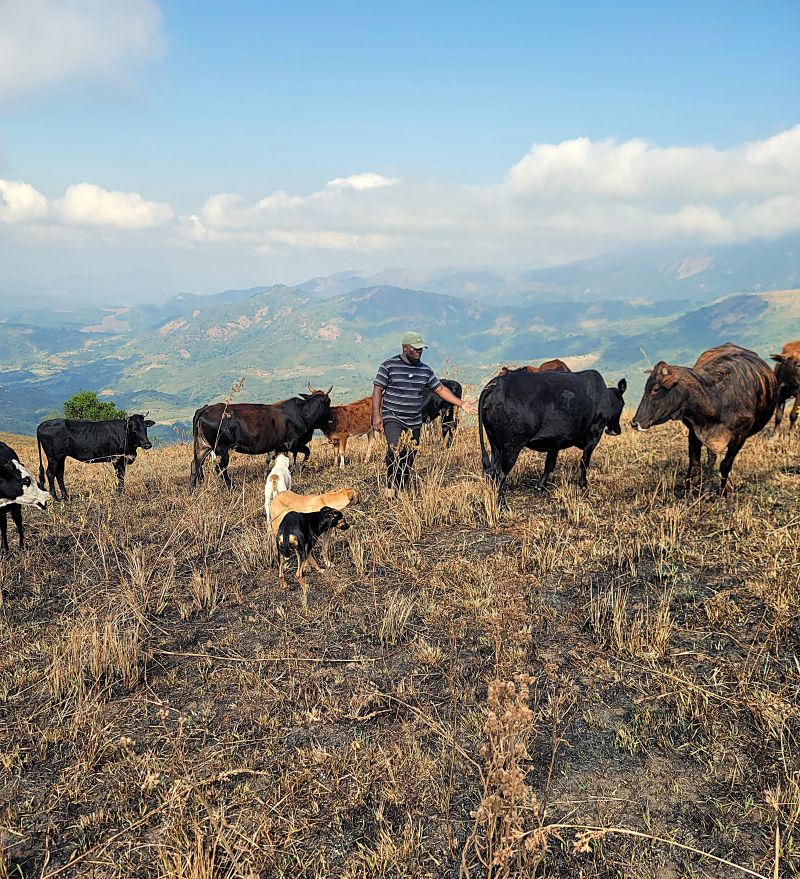
When I return to my rural home in Zimbabwe, I love spending time in the pasturelands, whistling, and herding cattle. It keeps me connected to my ancestral lands and reminds me of our village way of life. I also enjoy watching the sunset from the pasturelands. Given the opportunity, I would love to leave the city and explore America’s rangelands in the future.